The Water Book

Ten faces of water

Look at the painting. Read a few short lines. Then go outside and watch it happen.

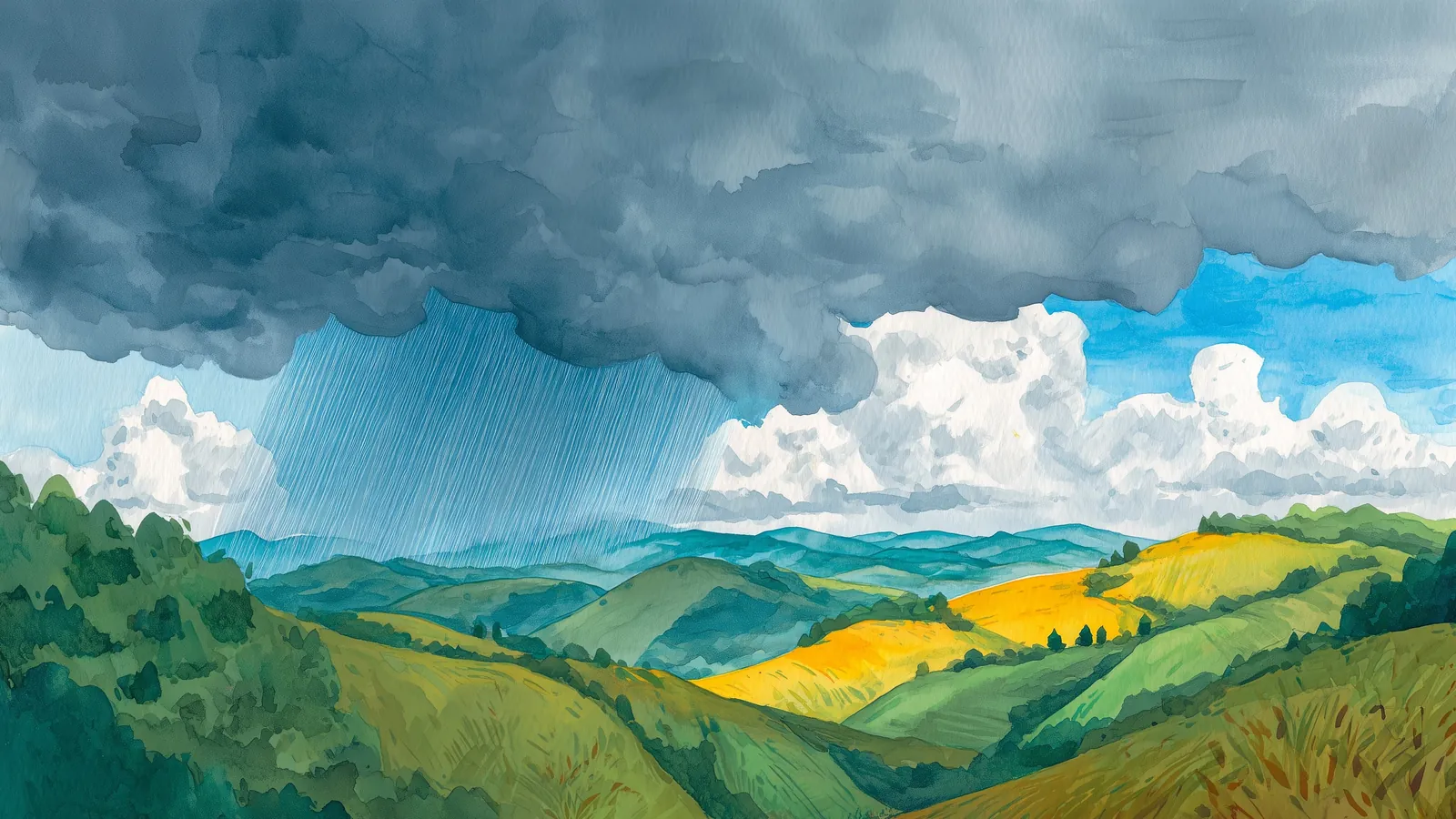
A painting of a rain cloud over green hills
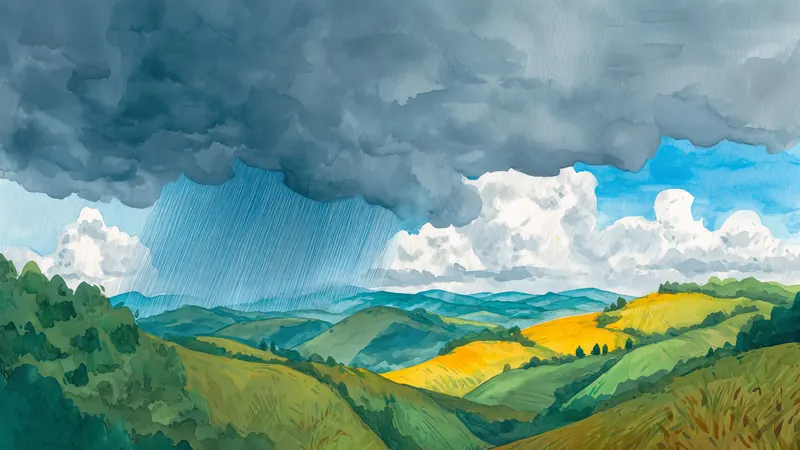
A painting of rain cloud

1

Rain Cloud

Where does rain come from?

A cloud is made of tiny drops of water. Some clouds hold bits of ice too. The drops are so small they float.

When drops bump together, they grow. Soon they are too heavy to float. They fall as rain.

That water was once in a puddle or a lake or the sea. The sun lifted it into the air as an invisible gas.

Try it. Watch the sky for a day. Draw the clouds you see in the morning. Draw them again in the afternoon.
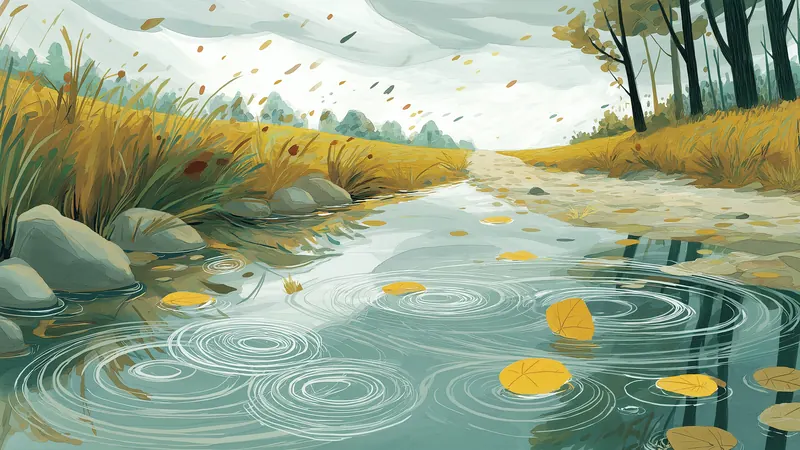
A painting of puddle

2

Puddle

Where did it go?

A puddle does not soak into the ground all at once. Much of it leaves a little at a time. It turns into a gas called water vapor and drifts into the air.

Scientists call that evaporation. Sun and wind make it go faster.

You cannot see water vapor. You only see the puddle getting smaller.

Try it. Pour one cup of water into two shallow dishes. Put one in the sun and one in the shade. Check each hour. Which one shrinks first?
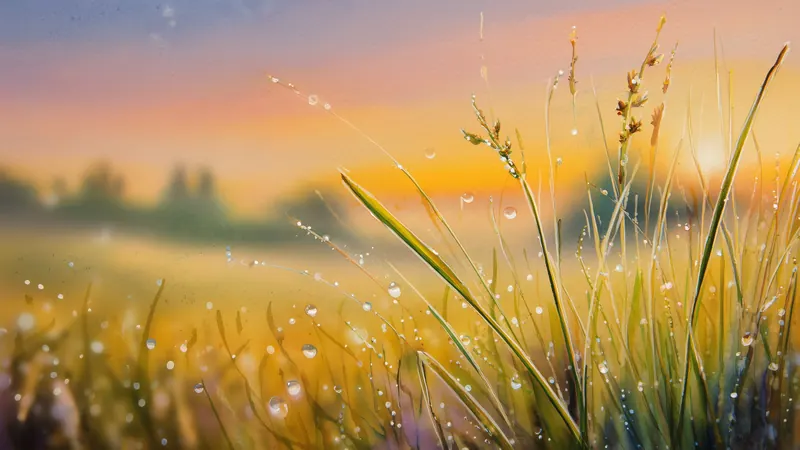
A painting of dew

3

Dew

Did it rain last night?

It did not. Dew does not fall from the sky. It forms right on the grass.

At night the ground cools. Water vapor in the air touches the cool leaves and turns back into drops.

That is why dew shows up on a clear, calm morning. It is gone by noon.

Try it. Touch the grass at sunrise. Then touch a dry sidewalk. Which one is wetter? Say why you think so.
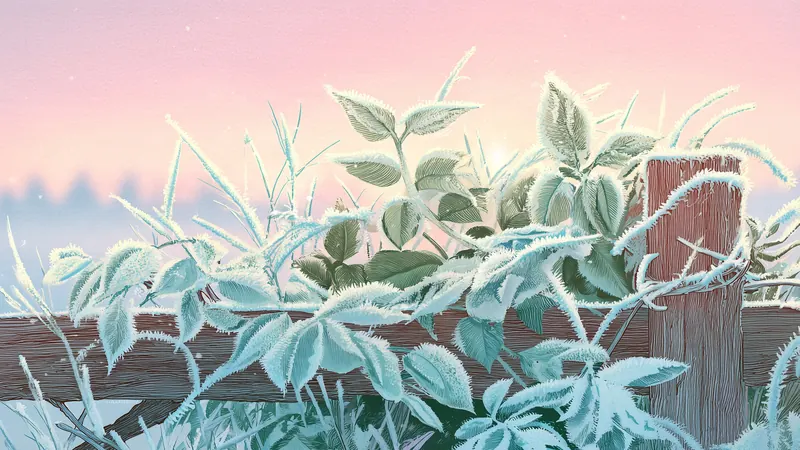
A painting of frost

4

Frost

Why is it white and spiky?

When a surface falls below freezing, water vapor can turn straight into ice. It skips the drop stage.

The ice grows in thin crystals. That is why frost looks feathery.

Frost often forms on cold, clear nights. Leaves, rails and windows get it first.

Try it. On a frosty morning, look at a leaf with a magnifier. Draw one crystal. How many sides does it have?
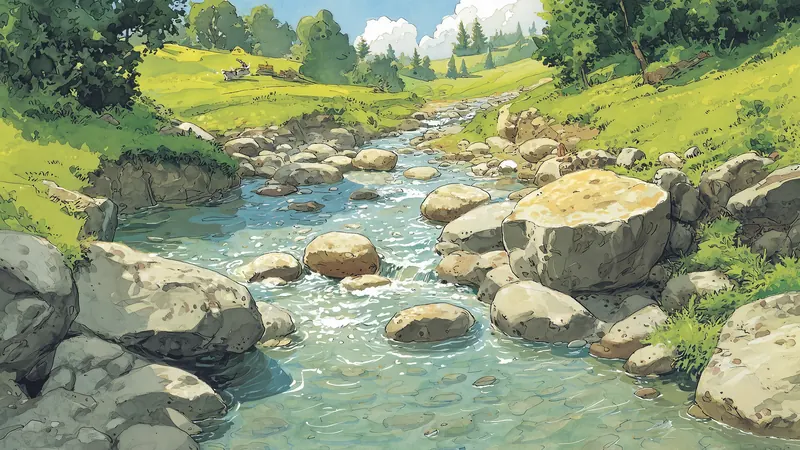
A painting of creek

5

Creek

Where is all this water going?

Water runs downhill. Rain runs into creeks. Creeks run into rivers. Rivers run to the sea.

Moving water carries sand and small stones. Over a long time it rounds the stones. That is why creek rocks feel smooth.

Fast water pushes harder. Slow water drops what it carries.

Try it. Stay on the bank with a grown-up. Drop a leaf in. Count how long it takes to travel ten steps. Try again after a rain.
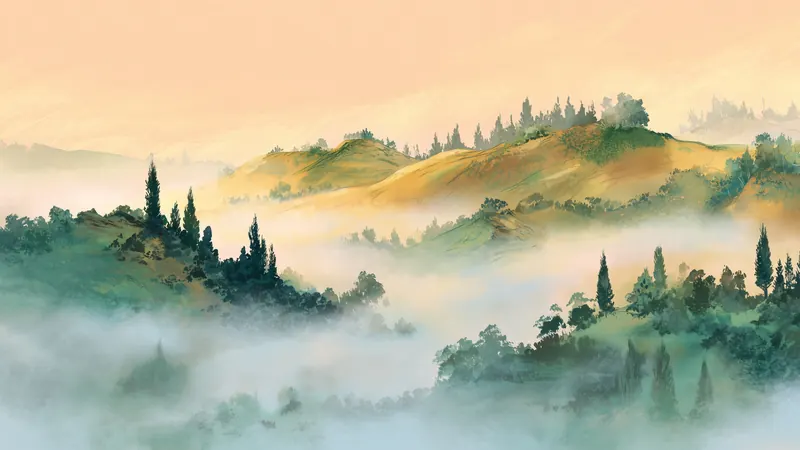
A painting of fog

6

Fog

Is that a cloud on the ground?

Yes. Fog is a cloud that touches the ground. It is made of tiny floating drops of water.

Fog forms when air cools enough that water vapor turns into drops. Calm mornings near water make good fog.

When the sun warms the air, the drops turn back into vapor. The fog lifts.

Try it. On a foggy morning, watch how far you can see. Then check again every ten minutes. When does it lift?
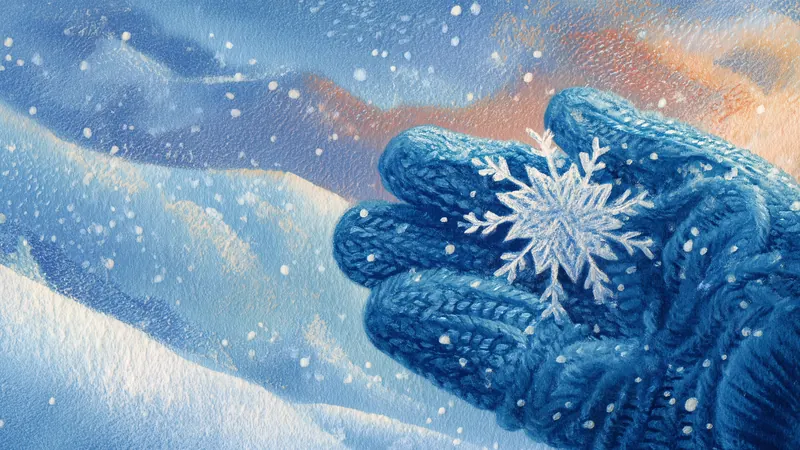
A painting of snowflake

7

Snowflake

Why six sides?

A snowflake is an ice crystal. It starts tiny and grows as it falls.

The way water freezes makes every crystal six-sided. The arms change shape as the air changes. Warm air, cold air, wet air.

That is why snowflakes can look so different.

Try it. Catch snow on a cold dark piece of paper. Look with a magnifier. Count the sides. No snow? Fold a paper circle in six and cut your own.
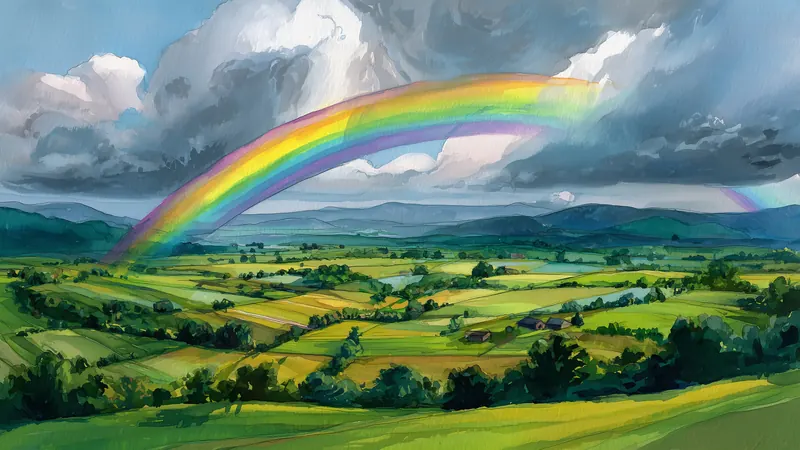
A painting of rainbow

8

Rainbow

Where do the colors come from?

Sunlight looks white. It is really all the colors mixed together.

When light goes into a raindrop, it bends and splits. Red bends the least. Violet bends the most. The colors spread out into a band.

To see a rainbow, keep the sun behind you. The rain must be in front of you.

Try it. Stand with your back to the sun. Spray a fine mist from a garden hose. Look for the colors. Which color is on the outside?
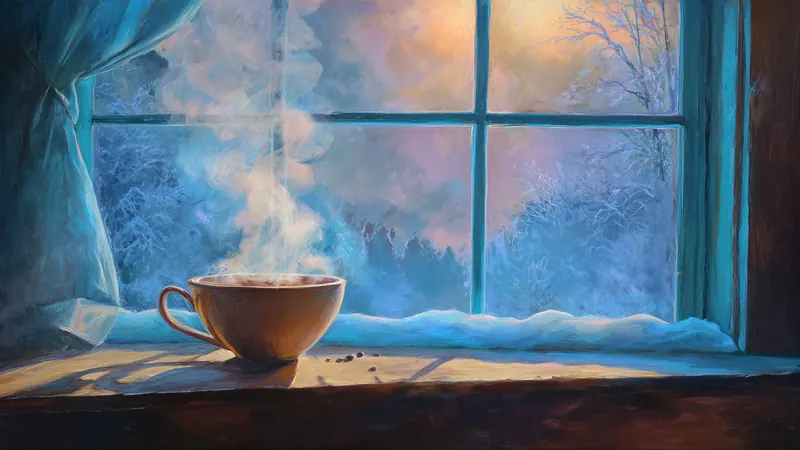
A painting of steam

9

Steam

What is that you can see?

Hot water gives off water vapor. Water vapor is invisible.

What you see above a hot cup is not vapor. It is tiny drops that formed when the vapor cooled in the air.

Look just above the surface. There is a small clear gap. The vapor is in that gap.

Try it. Ask a grown-up to hold a cup of hot water. Look just above the surface. Can you find the clear gap? Why do you think it is clear?
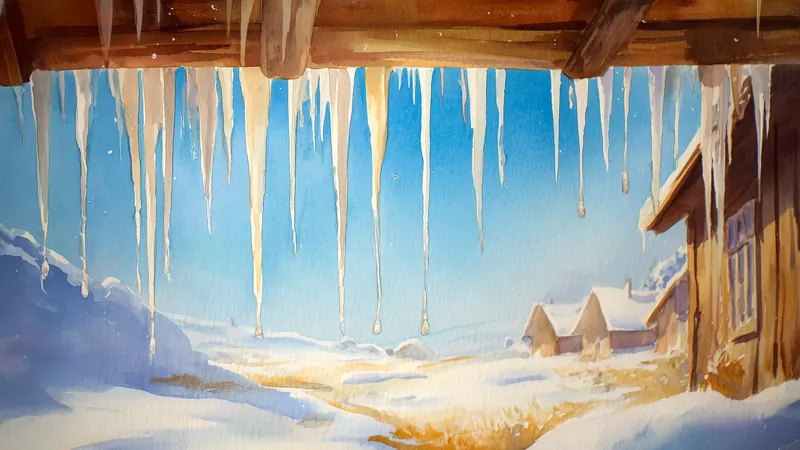
A painting of icicle

10

Icicle

Is it melting or freezing?

Both. Snow on a roof melts when the sun or the warm house heats it. The water runs to the edge.

At the edge, the air is cold. Water freezes there, drop by drop. The icicle grows longer.

A drip freezing in the cold, layer by layer. That is an icicle.

Try it. Draw an icicle in the morning. Draw it again at noon. What changed? Where did the water go?

Your Water Card

Check a box each time you see it happen. No hurry. Some wait for the right weather.