Science Fenns K-5Grades K to 5
Two identical paper cups on a windowsill, one with a small ice cube and one with a larger one, beside a ruler and a clock.

Science / All lessons / The Scientist’s Toolkit

Fair Tests

Change one thing. Keep the rest the same.

Lesson 3 of 40

Try this first

Before we start

Today’s story

Fair Tests

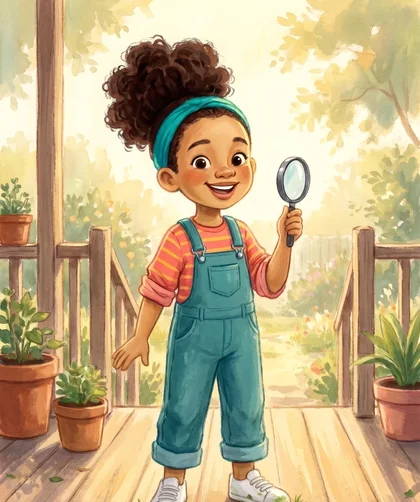
Ava lives where summers are hot and the ice in a cooler does not last. She wonders if the size of a cup changes how fast ice melts. She puts one cube in a big cup and two cubes in a small cup. A friend says that is not a fair test. Ava is not sure why.

A fair test changes only one thing on purpose. Everything else stays the same. That one thing is the variable you change. What you measure is what changes in response. If you change two things at once, you cannot say which one caused the result.

Good scientists start with a question they can test. They make a plan before they begin. Here are the steps.

See it

Five steps. Every time.

    Hands on

    Melt Race

    30 minutes · Do this with a grown-up nearby

    You need

    • Three identical plastic cups
    • Ice cubes of the same size
    • Room temperature water
    • Warm tap water
    • Cold tap water
    • A clock or timer
    • Notebook

    Do this

    1. Write your question about water temperature and ice melting time.
    2. Put one ice cube in each cup.
    3. Pour the same amount of cold, room and warm water into each.
    4. Start the timer when you pour.
    5. Check every two minutes and write what you see.
    6. Record the minute each cube fully melts.
    7. Repeat if you have time.
    Write or draw: A table with water temperature and minutes to melt. Add a line on what you kept the same.

    Watch for: Notice if the pattern lines up. Warmer water should melt ice faster, but let the data speak.

    Safety: Use warm tap water only and ask an adult before pouring. Do not use hot water.

    Same every time

    Three rules

    Rule 1Change only one thing.

    Then the cause is clear.

    Rule 2Keep everything else the same.

    Same time, same amount, same place.

    Rule 3Repeat your test.

    One result could be luck.

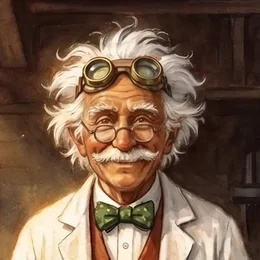
    Grandpa Fenn’s notebook

    Say it like a scientist

    variable
    A thing in a test that can change.
    control
    Something you keep the same in every trial.
    fair test
    A test that changes only one thing at a time.
    trial
    One run of a test.

    Poppy’s quiz

    Six questions

    Tap an answer. Green means right. You will see why.

    Talk about it

    Say it out loud

    • How do you know a test was fair?
    • Think of something at home or on the farm you could test. What would you change?
    Did you know

    When many scientists repeat a test and get the same result, people trust that result much more.

    Someone who does this

    A food scientist runs fair tests to see which recipe keeps bread fresh longest.